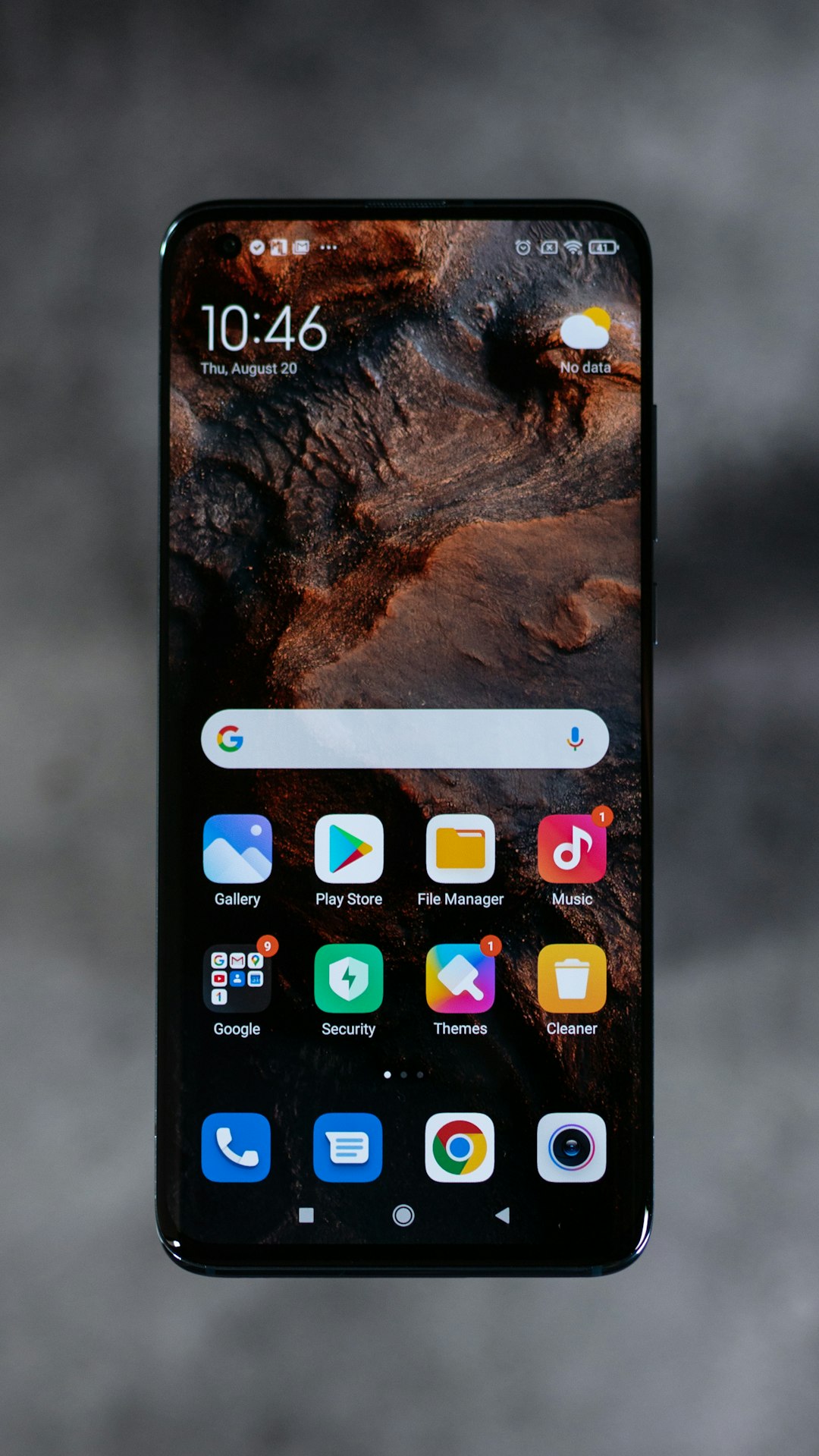
Spam text, an unwanted nuisance in New Jersey, is being tackled by the Federal Communications Commission (FCC) through stringent regulations. They enforce strict consent rules, content restrictions, and user-friendly opt-outs to protect residents from fraudulent messages. In North Bergen, collaborative efforts with communication service providers have significantly reduced spam through advanced authentication, filtering systems, and two-factor authentication, fostering a cleaner digital environment.
North Bergen, New Jersey, like many urban areas, faces challenges from spam text messages. This article delves into the role of the Federal Communications Commission (FCC) in combating this growing problem. We explore the impact of spam text on communities and individuals in New Jersey, provide a regulatory overview of the FCC’s authority, and discuss strategies and technologies employed to effectively prevent spam messaging, offering insights into how these measures protect residents and enhance communication quality.
Understanding Spam Text and Its Impact in New Jersey

Spam text, a persistent and irritating phenomenon, has long been a nuisance for residents across New Jersey. It refers to unsolicited and unwanted text messages that often promote products, services, or even fraudulent schemes. These messages can range from annoying advertisements to potentially harmful content, impacting individuals’ daily lives and contributing to a cluttered communication environment.
In response to the growing concern, the Federal Communications Commission (FCC) plays a pivotal role in combating spam text in New Jersey and across the nation. By implementing stringent regulations and guidelines, the FCC aims to protect consumers from these intrusive messages. These measures include strict rules on consent, content restrictions, and robust mechanisms for users to report and opt-out of receiving spam text, ensuring a safer and more secure communication experience for New Jerseyans.
The Federal Communications Commission (FCC): A Regulatory Overview

The Federal Communications Commission (FCC) is a key player in the ongoing battle against spam text in New Jersey and across the nation. As a regulatory body, the FCC oversees and enforces communication laws, ensuring fair practices in various sectors of the telecommunications industry. In the digital age, where text messaging has become an integral part of daily life, the FCC’s role in preventing spam text is more relevant than ever.
The commission has implemented stringent rules to combat unsolicited bulk messages, commonly known as spam. These regulations empower them to take action against companies or individuals using automated systems to send unwanted texts on a large scale. By establishing guidelines and penalties for non-compliance, the FCC aims to protect consumers from intrusive spam text while promoting responsible marketing practices in the messaging industry within New Jersey and nationwide.
Strategies and Technologies for Effective Spam Prevention

The fight against spam text, a persistent nuisance in the digital landscape, relies on a blend of robust strategies and cutting-edge technologies. In North Bergen, New Jersey, local authorities and communication service providers (CSPs) have employed several effective countermeasures. One key approach is implementing strict message authentication mechanisms, such as Sender ID and SPF records, to verify the legitimacy of incoming texts. These measures help identify and block malicious messages from unknown or unauthorized sources.
Additionally, advanced filtering systems utilize machine learning algorithms to analyze patterns and content, enabling them to detect and filter out spam text efficiently. By continuously updating and refining these filters, CSPs can stay ahead of evolving spamming techniques. Text-based authentication codes, known as two-factor authentication (2FA), have also proven effective in preventing unauthorized access and message spoofing. These strategies collectively contribute to a cleaner digital environment for North Bergen residents, significantly reducing the burden of unwanted spam text in New Jersey.