Spam-Text Lawyers in New Jersey: A Comprehensive Overview
Introduction
In the modern digital era, the intersection of technology, communication, and law has given rise to a niche yet significant field: spam-text lawyers in New Jersey. These legal experts specialize in navigating the complexities of unsolicited text message laws, representing clients who have been inundated with unwanted texts, or defending those accused of violating such regulations. This article delves into the multifaceted role of spam-text lawyers within the Garden State and its broader implications. Readers will gain an understanding of the legal landscape, economic impacts, technological advancements, and future prospects of this specialized field.
Understanding Spam-Text Lawyers in New Jersey
Spam-text lawyers are legal practitioners who focus on the intricacies of the Telephone Consumer Protection Act (TCPA) and the New Jersey specific regulations that govern unsolicited text messages, or "spam texts." These attorneys represent clients on both sides of litigation: those who have been harassed by spam texts and those who have been accused of sending such messages.
The TCPA, enacted in 1991, was one of the first federal laws to address telemarketing and the use of automated telephone dialing systems. It has since been extended to cover text messages. The law sets strict guidelines for consent, frequency, and the option to opt-out of receiving further communications. New Jersey has its own set of regulations that can be more stringent than federal laws, including the requirement for express written consent to send automated text messages.
Spam-text lawyers play a crucial role in interpreting these laws, advocating for their clients, and shaping the legal precedents that govern this area of law. They are at the forefront of litigation, class actions, and the development of compliance programs for businesses.
Global Impact and Trends
The phenomenon of spam texts is not confined to New Jersey or the United States. It is a global issue that affects consumers and businesses alike. The rise of smartphones and mobile internet has led to an increase in spam messages worldwide. This trend has prompted countries across the globe to develop their own regulations to protect consumers from unwanted communications.
In Europe, for example, the General Data Protection Regulation (GDPR) includes provisions for the protection of personal data, which encompasses strict rules on electronic communications. Australia, Canada, and various other jurisdictions have their own laws governing spam texts, reflecting a global recognition of the need to address this issue.
Economic Considerations
The economic impact of spam texts is significant. For consumers, unwanted messages can be an invasion of privacy and a nuisance. For businesses, compliance with anti-spam regulations is not just a legal requirement but also a reputation management tool. Non-compliance can lead to hefty fines and lawsuits, which can be costly for small and medium-sized enterprises.
On the other hand, spam-text lawyers contribute positively to the economy by providing specialized legal services. They help businesses navigate complex regulatory landscapes, ensuring they avoid legal pitfalls that could prove detrimental to their operations. Moreover, the litigation aspect of this field can result in substantial settlements or judgments that can compensate victims and deter future violations.
Technological Advancements
Technology plays a pivotal role in the battle against spam texts. Advancements in anti-spam software, caller ID verification systems, and artificial intelligence are all tools employed to combat this issue. For instance, machine learning algorithms can analyze patterns to identify spam text senders with greater accuracy.
The development of blockchain technology also offers potential solutions by providing a secure and transparent way to handle consent and manage opt-ins and opt-outs for communication preferences. As technology evolves, so too do the methods used by spam-text lawyers to protect their clients' rights and interests.
Policy and Regulation
The policy and regulatory framework surrounding spam texts in New Jersey is robust. The FCC, state attorney generals, and private litigants all play a role in enforcing these regulations. Lawyers specializing in this area must stay abreast of changes in federal and state laws, as well as court decisions that interpret these statutes.
The policies aim to balance the rights of consumers to be free from unwanted solicitations with the legitimate interests of businesses to communicate with their customers. The regulations also promote innovation by ensuring that new technologies and marketing strategies do not infringe on privacy rights.
Challenges and Criticisms
Spam-text lawyers face numerous challenges, including keeping up with rapidly changing technology and complex legal frameworks. One of the main criticisms is that while the regulations aim to protect consumers, they can also stifle legitimate business practices. Ensuring compliance without unduly burdening businesses is a delicate balance that these lawyers must navigate daily.
To overcome these issues, spam-text lawyers often work with technology experts to develop compliance strategies and with policymakers to advocate for reasonable regulations. They also provide education and resources to businesses to help them understand their obligations under the law.
Future Prospects
As mobile technology continues to advance, so too will the methods used by spammers and the responses from legal professionals and regulators. The future of spam-text law will likely involve a greater integration of technology in both detection and prevention efforts. There may also be a push for more uniform regulations across different jurisdictions to address the cross-border nature of electronic communications.
Spam-text lawyers will continue to play a critical role in protecting consumer rights, maintaining business compliance, and shaping the legal landscape to adapt to these technological changes. The evolution of this field promises to be as dynamic as the technology it governs.
Conclusion
The specialized field of spam-text law in New Jersey is indicative of a broader global concern for consumer privacy and protection in the digital age. As technology advances and the volume of electronic communications increases, the need for legal expertise in this area will only grow. Spam-text lawyers are at the intersection of law, technology, and policy, and their work has significant implications for both consumers and businesses. The future of this field is bright, with ongoing developments in technology, law, and regulation that will continue to shape its trajectory.
Category: Spam Text Lawyer New Jersey
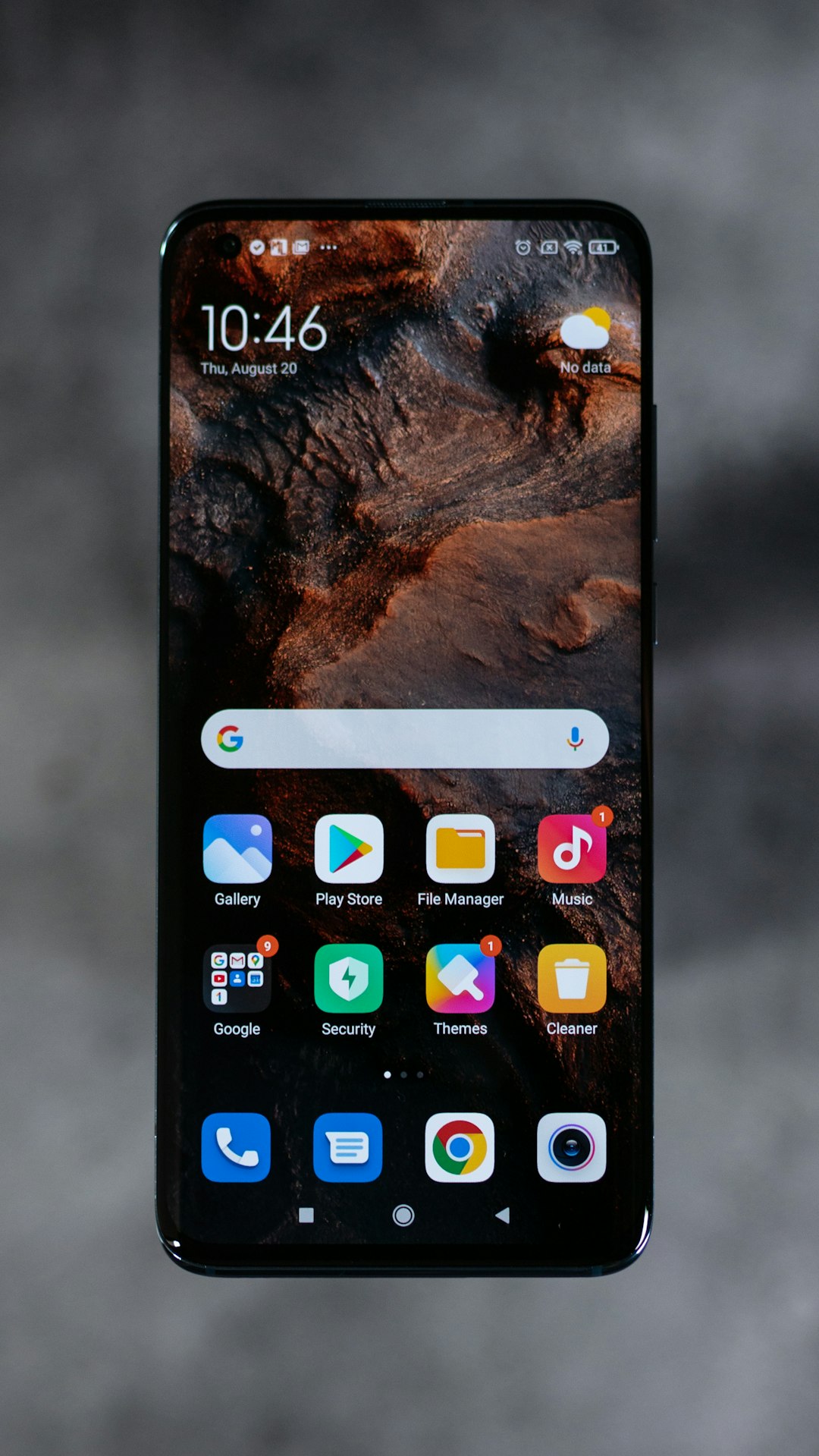
Navigating Text Consent: New Jersey's Spam Call Lawyers Help
The Telephone Consumer Protection Act (TCPA) in New Jersey strictly regulates automated phone calls and text messages, with consent as a cornerstone. Key requirements include explicit prior consent for marketing texts, the right to revoke consent, and significant fines for non-compliance. Spam call.......
Read more →

South Plainfield TCPA Compliance: Protecting Consumers with Spam Call Lawyers NJ
South Plainfield businesses must adhere to stringent TCPA regulations to avoid legal issues and maintain customer trust in handling telemarketing practices. Spam call lawyers New Jersey offer specialized guidance on obtaining explicit consent, maintaining records, and navigating evolving technologie.......
Read more →

Margate City Text Message Rights: Stop Spam Calls Now
The Telephone Consumer Protection Act (TCPA) restricts unsolicited text messages for marketing, known as 'spam calls.' A Spam Call law firm in New Jersey emphasizes that businesses must obtain explicit consent before sending promotional texts and adhere to a 48-hour time limit. Noncomplian.......
Read more →
Spam Text Attorney New Jersey: Navigating TCPA Complaints
The Telephone Consumer Protection Act (TCPA) protects consumers from unwanted text messages ("spam"). New Jersey's Spam Text Attorneys specialize in interpreting TCPA regulations and assisting clients with excessive or inappropriate text messages. Key steps for building a solid TCPA c.......
Read more →

Spam Text Attorney New Jersey: Violating Do Not Call Rules
The Telephone Consumer Protection Act (TCPA) restricts unsolicited text messages (spam texts) in New Jersey. Businesses must obtain explicit consent, maintaining detailed records and tracking opt-in sources. Red flags for spam include lack of consent, generic content, fake sender IDs, and automated.......
Read more →
Edison: TCPAs in Text Message Sweepstakes & New Jersey's Spam Call Law Firms
The Telephone Consumer Protection Act (TCPA) restricts unsolicited calls, especially from spam call law firms New Jersey and elsewhere, demanding explicit consent for automated messages. Compliance involves understanding consent, implementing robust internal policies, record-keeping, and staying upd.......
Read more →

Edison's Guide: TCPA Compliance for Small Businesses in New Jersey
Small businesses in New Jersey facing TCPA challenges from spam text must prioritize consent (obtaining explicit permission), opt-out mechanisms, and record-keeping practices to avoid substantial fines. A lawyer for Spam Text New Jersey provides specialized guidance on compliance, data privacy, regu.......
Read more →

Trenton Text Laws: Protecting You from Unwanted Spam with Legal Help
The Trenton Area Court's TCPA regulations stricten marketing text messages, requiring explicit consent. Businesses must implement double-opt-in systems, maintain records, and consult a lawyer for Spam Text New Jersey for compliance. Spam texts from unknown senders without prior consent are ille.......
Read more →

Edison's Guide: Navigate New Jersey's Anti-Spam Laws for Small Biz
The Telephone Consumer Protection Act (TCPA) regulates automated marketing, especially text messages, with New Jersey having stringent anti-spam laws. Businesses must obtain prior consent for unsolicited texts, provide clear opt-out options ("STOP"), maintain detailed records, and ensure c.......
Read more →